Grease Trap Requirements for Restaurants San Diego
Grease trap requirements for restaurants San Diego owners need to follow can feel confusing, especially when you’re trying to open or remodel a commercial kitchen. Health inspectors, city permits, plumbing codes, and equipment choices all tie into one critical system: your grease trap.
At LGE Prime Plumbing, we install code-compliant grease traps for restaurants and commercial kitchens across San Diego. This guide explains what local restaurant owners should know about sizing, placement, and inspection-related requirements so you can avoid delays, fines, or surprise shutdowns.
Why grease traps matter for San Diego restaurants
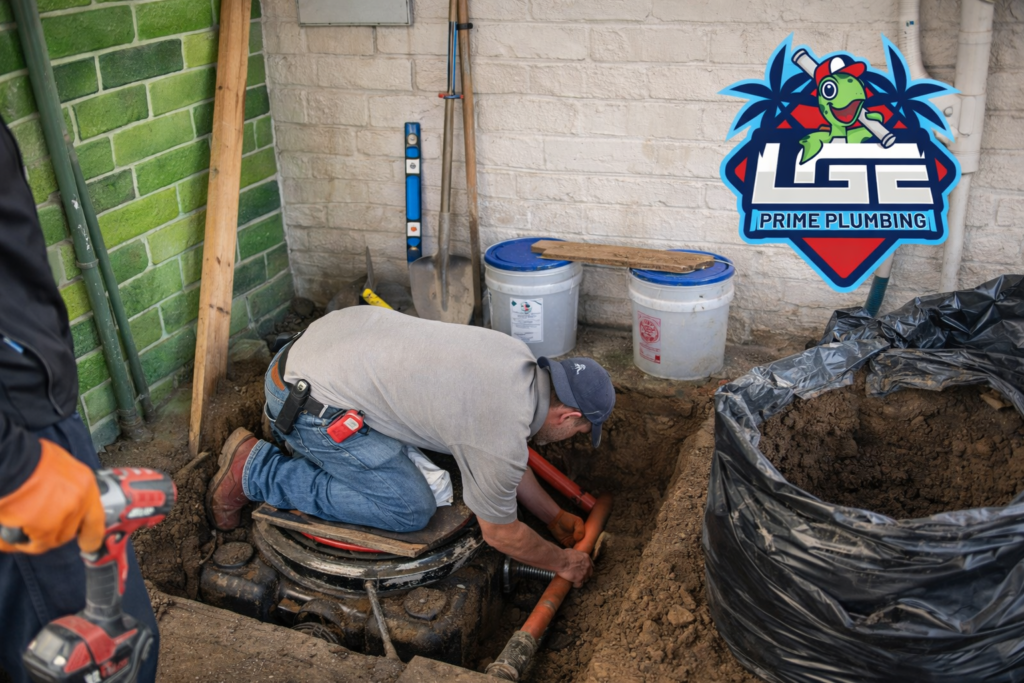
Every busy kitchen sends fats, oils, and grease (FOG) down the drain. Without a properly installed grease trap, those materials cool, harden, and clog your building drains and city sewer lines. That’s why there are strict grease trap requirements for restaurants San Diego wide.
- Prevent sewer backups and foul odors in your kitchen
- Reduce the risk of emergency plumbing calls and downtime
- Help keep your restaurant in good standing with the health department
- Protect your plumbing investment and nearby businesses on the same line
Who must follow grease trap requirements for restaurants San Diego?
If your business cooks, fries, grills, bakes, or prepares food that generates grease, you are almost always required to have a grease trap or grease interceptor. This includes:
- Full-service restaurants and cafes
- Fast-casual and quick-serve kitchens
- Ghost kitchens and commissary kitchens
- Food trucks using commissary prep spaces
- Hotel, school, and hospital cafeterias
- Grocery store delis and bakery departments
City and county inspectors look closely at grease trap requirements for restaurants San Diego operates, especially when issuing new permits or inspecting remodeled kitchens.
Basic grease trap requirements for restaurants San Diego owners should know
While every situation is a little different, most commercial kitchens in San Diego must meet a few core requirements:
- Correct sizing: Your grease trap must be sized based on fixture count and flow rate, not just guesswork.
- Proper location: It must be accessible for cleaning, inspection, and maintenance.
- Approved materials and design: The trap or interceptor must meet plumbing and health code standards.
- Drain connections: Specific fixtures like three-compartment sinks, mop sinks, and some floor drains must be routed through the trap.
Getting these details right at install time is the best way to meet grease trap requirements for restaurants San Diego codes and avoid failed inspections later.
Indoor vs. outdoor traps: what San Diego restaurants should consider
One of the biggest decisions for restaurant owners is whether to use an indoor grease trap or a larger outdoor interceptor. Both must still meet the grease trap requirements for restaurants San Diego inspectors enforce, but they each work better in different situations.
- Indoor grease traps: Typically smaller, installed under sinks or in mechanical areas. Best for lower flow or tight sites.
- Outdoor grease interceptors: Larger capacity systems installed outside or in-ground. Ideal for high-volume kitchens.
At LGE Prime Plumbing, we help you choose the right option based on your menu, daily volume, and available space.
Common inspection issues related to grease trap requirements
Restaurants can run into problems when grease trap installation doesn’t fully align with grease trap requirements for restaurants San Diego expects. Common issues include:
- Fixtures bypassing the grease trap
- Incorrect sizing for flow rate or fixture load
- Improper venting or access for cleaning
- Installing the trap in non-approved locations
These problems can delay openings, trigger correction notices, or cause unexpected rework costs.
FAQs About signs you need a water pressure regulator
How LGE Prime Plumbing helps with grease trap requirements
Navigating grease trap requirements for restaurants San Diego can be stressful when you’re also juggling permits, build-out schedules, and staffing. Our team works directly with restaurant owners, general contractors, and inspectors to keep projects on track.
- Review of plans and fixture layouts
- Sizing and location recommendations
- Code-compliant grease trap installation
- Systems ready for inspection and long-term use
We focus on getting it right the first time so you can open on schedule and stay compliant.
Next steps if you’re opening or remodeling a restaurant
If you’re planning a new build-out or renovating a kitchen, now is the time to address grease trap requirements for restaurants San Diego inspectors will check. Waiting until the last minute can cause delays or expensive rework.
Our commercial plumbing team can walk your site, review your plans, and install a code-compliant grease trap system tailored to your operation.
Learn more about our grease trap installation services in San Diego.
Helpful resources
- Commercial Plumbing Services
- Sewer Camera Inspection for Commercial Properties
- City of San Diego Water & Wastewater Information
Ready to get your restaurant up to code? Call us at (858) 366-8735 or request a commercial plumbing inspection online.